About All Tours Mosquito Bay ToursVieques ToursLaguna Grande ToursFajardo ToursLa Parguera ToursKayak ToursFrom San Juan Tours Directions Hours & Fees
Find Tours 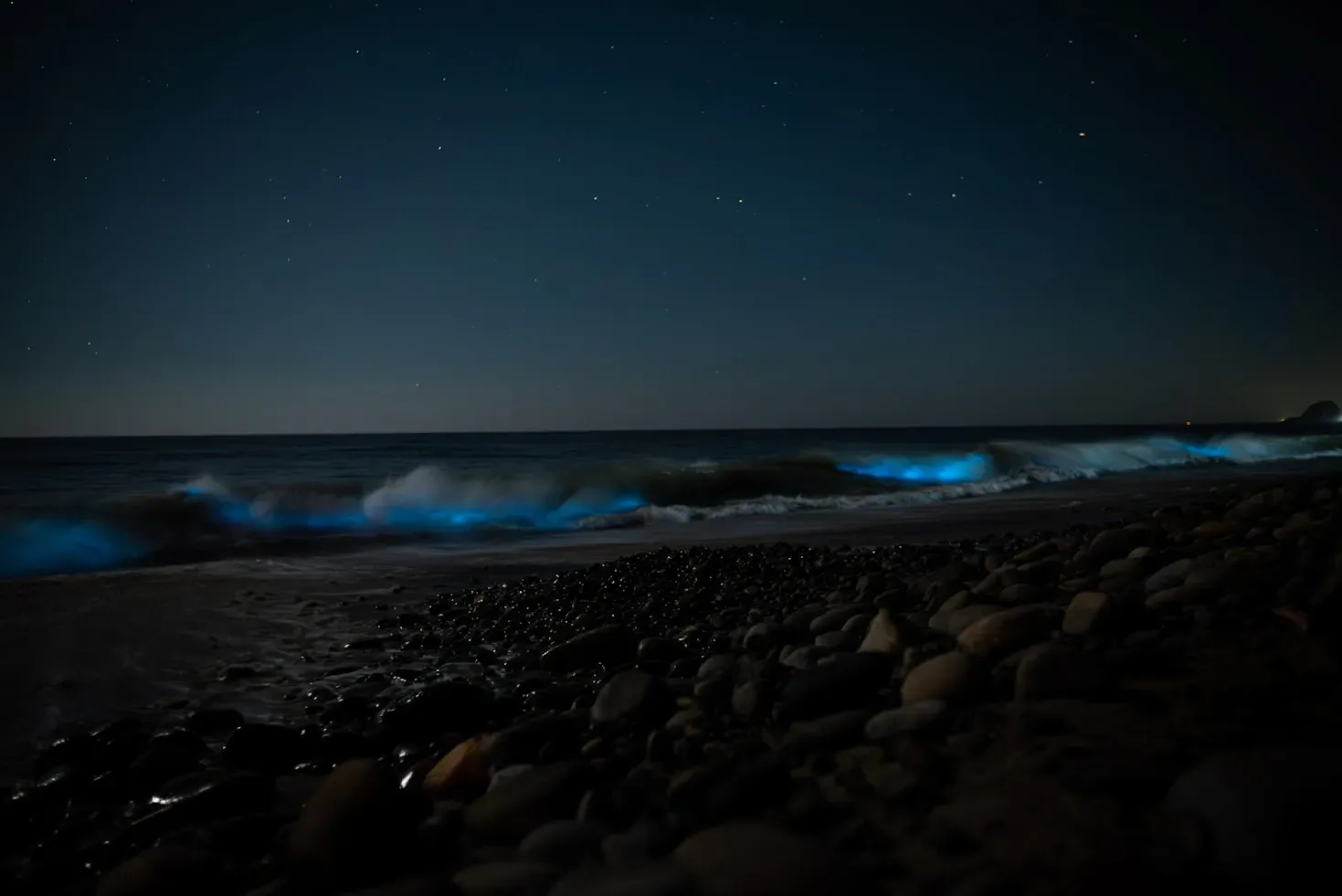
Puerto Mosquito Bioluminescent Bay on the southern shore of Vieques holds the Guinness World Record for the brightest glowing waters on Earth. Microscopic dinoflagellates emit a sharp blue-green light whenever paddles or boats disturb the shallow inlet.
Puerto Mosquito Bioluminescent Bay contains up to 750,000 single-celled dinoflagellates per gallon of water. These microscopic organisms, specifically Pyrodinium bahamense, emit a sharp blue-green light whenever mechanical agitation disturbs them. Paddles, boat hulls, and human hands trigger a brief chemical reaction that illuminates the dark waters of Vieques island. The bay earned the Guinness World Record for the brightest bioluminescence on the planet in 2008. It outshines the nearby Fajardo bio bay by a factor of six. Puerto Rico houses three of the world's five total bioluminescent bays, making it a global epicenter for this rare marine phenomenon. The Humacao Natural Reserve also contains a newly identified bio bay ecosystem, discovered in 2010. This addition highlights Puerto Rico's unique geographical advantages for supporting these rare organisms.
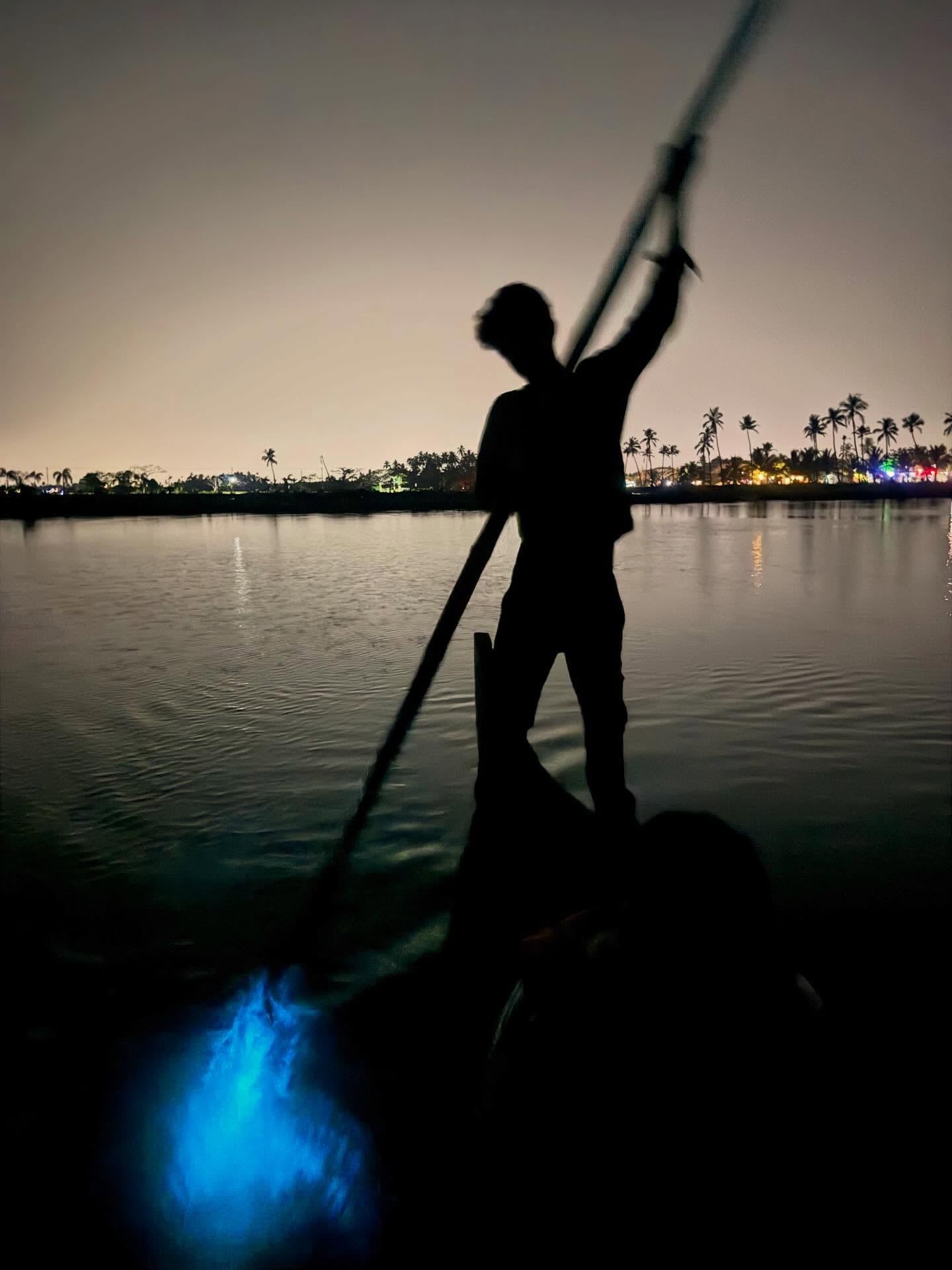
Visitors access the bay strictly through licensed tour operators holding Department of Natural Resources (DRNA) permits. Clear-bottom kayaks and electric pontoon boats launch from the docks near Esperanza between 6:00 PM and midnight. Kayakers navigate a narrow mangrove forest channel before entering the main bay during the 1.5 to 2-hour excursions. Every stroke of the paddle stirs up glowing trails in the shallow water. Light pollution ruins the effect. Full moons wash out the bioluminescence entirely, forcing operators to schedule around the lunar calendar. Tours cost between $45 and $76 per person, with specialized wheelchair-accessible options available at Laguna Grande in Fajardo.
Storms disrupt this fragile ecosystem. Heavy rainfall and hurricane-force winds alter the salinity and nutrient levels, sometimes causing the bay to go completely dark. Hurricane Maria shut down the glow in 2017 before the dinoflagellates eventually recovered. The months from June to October offer the best viewing conditions, as warm temperatures facilitate optimal reproduction of the microorganisms. Travelers planning a trip should check the lunar calendar for a new moon and confirm water conditions with their tour operator 24 hours before arriving. Book the 7:00 PM tour on a weekday if you need to catch the final 9:30 PM ferry back to the mainland at Ceiba.
Pirate Roberto Cofresí anchored his ship, the Mosquito, in the sheltered waters of Vieques during the early 19th century. Local legend dictates the bay took its name from this vessel. The narrow inlet provided an ideal hiding spot from Spanish authorities patrolling the Caribbean Sea. Centuries later, marine biologists realized this exact geographical bottleneck trapped millions of microscopic dinoflagellates, creating the permanent glowing phenomenon. While seasonal bioluminescence occurs globally, Puerto Rico houses three of the world's five permanent bioluminescent bays, with Laguna Grande in Fajardo and La Parguera in Lajas completing the trio.
The United States government designated Puerto Mosquito a National Natural Landmark in 1980. This status introduced strict conservation measures to protect the marine environment from commercial development and human interference. Before the 1980 federal protection, unchecked development threatened to introduce severe light pollution to the Vieques coastline. The landmark designation halted construction projects that would have permanently ruined the darkness required to view the bioluminescence. Motorboats using gasoline engines faced immediate bans within the protected zones. The Department of Natural Resources prohibited swimming in Mosquito Bay and Laguna Grande to prevent human skin products, lotions, and sunscreens from contaminating the water. The Guinness Book of World Records officially declared Mosquito Bay the brightest bioluminescent bay on Earth in 2008. This formal recognition cemented its global reputation and drove a massive surge in eco-tourism to the small island of Vieques. Tour prices stabilized between $45 and $76 as operators standardized their 1.5 to 2-hour nightly excursions.
Hurricane Maria struck Puerto Rico in September 2017 with devastating Category 4 winds. The storm decimated the surrounding red mangrove forests that drop essential vitamin B12 into the water. Without this critical nutrient source, the dinoflagellate population collapsed entirely. Puerto Mosquito went completely dark for months. Researchers and local guides feared the ecosystem might never recover its former brilliance. Slowly, the mangroves regrew, nutrient levels stabilized, and the microscopic organisms multiplied. The bay eventually returned to its record-breaking brightness, currently holding up to 750,000 dinoflagellates per gallon.
Conservation remains an active, daily battle. Tour operators limit group sizes and enforce strict bans on chemical insect repellents containing DEET, which are highly toxic to the microorganisms. Visitors must wash off all sunscreens before boarding kayaks. The discovery of a new bio bay ecosystem in the Humacao Natural Reserve in 2010 highlighted the extreme rarity of these environments. Bring natural, DEET-free repellents to protect yourself from mosquito bites near the shoreline launch sites.
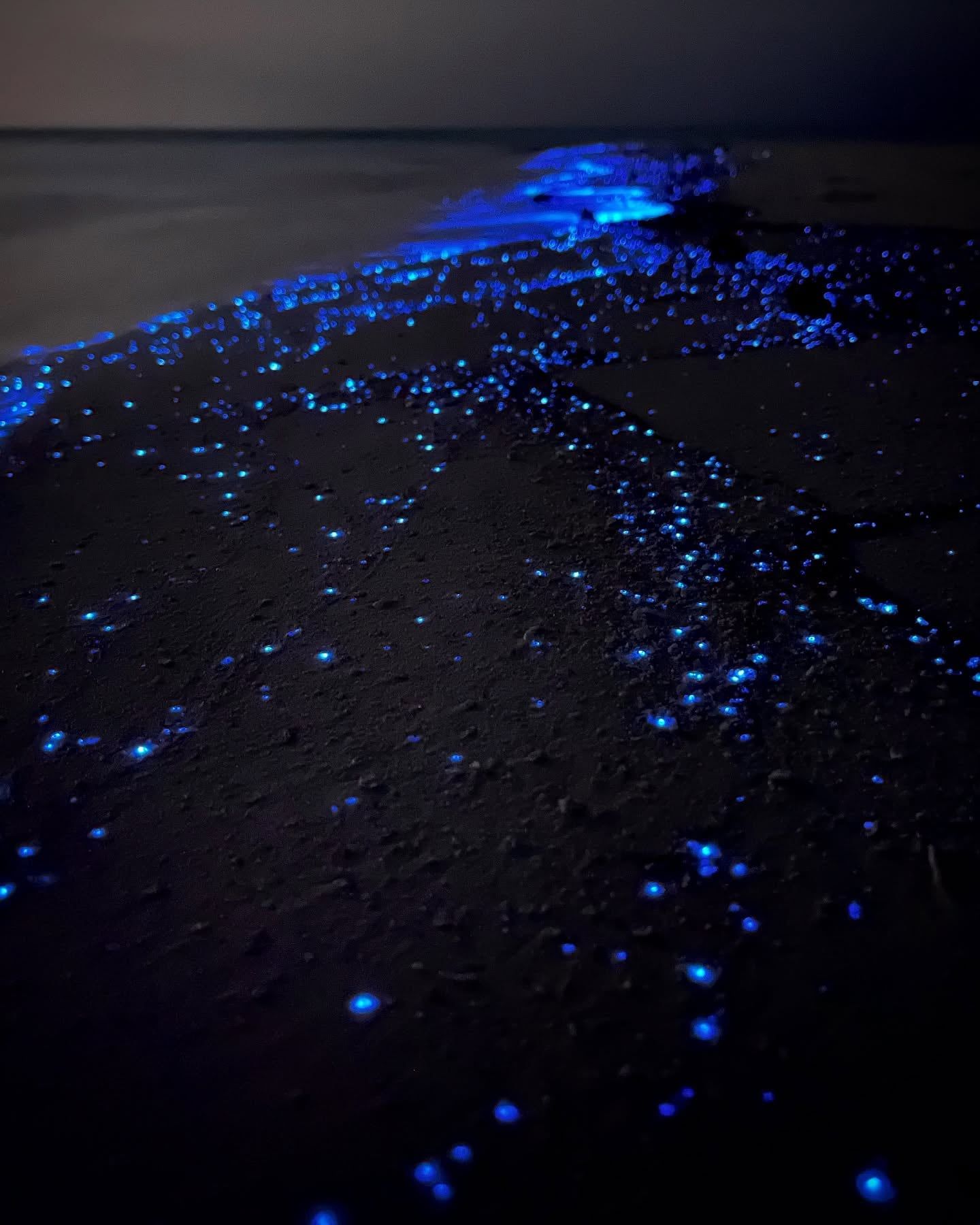
Puerto Mosquito relies on a highly specific geographical bottleneck to maintain its extreme concentration of bioluminescence. The bay features a narrow channel connecting it to the open Caribbean Sea. This inlet acts as a natural trap. Tides push Pyrodinium bahamense dinoflagellates into the shallow basin, but the restricted exit prevents them from washing back out into the ocean. The water temperature remains consistently warm throughout the year, creating a perfect incubator for the microorganisms to reproduce rapidly. The shallow depth of the bay maintains the necessary temperature. Deeper waters would dilute the concentration of the organisms and lower the ambient heat required for their survival. June to October provides the most optimal conditions for this reproduction cycle.
Red mangrove trees line the entire perimeter of the bay. Their complex, tangled root systems extend deep into the water, providing a physical barrier against strong currents and coastal erosion. These trees drop their leaves directly into the shallow basin. As the leaves decompose in the warm water, they release high levels of vitamin B12 and other essential nutrients that fuel the dinoflagellate food chain. This closed ecological loop supports up to 750,000 single-celled organisms per gallon of water during peak conditions. Removing or damaging these mangroves directly reduces the brightness of the bay.
The physical environment dictates how visitors interact with the water. Kayakers launch from wooden docks and paddle through the dark, narrow mangrove channels before reaching the open bay. Specialized operators in Fajardo use an accessible ramp at Las Croabas, allowing wheelchair users to experience the Laguna Grande reserve. La Parguera in the southwest utilizes larger boats and remains the only bay where swimming is permitted under controlled conditions. During the Fajardo kayak tour, guides lead groups quietly around Bird Island to view nocturnal wildlife roosting in the trees.
Navigating these waters requires specific preparation. Kayaking in complete darkness presents a risk of collision, getting lost, or capsizing in the mangrove channels. Cellular service and GPS tracking frequently drop out entirely around remote areas like Vieques. Visitors must remain close to their tour group, follow verbal instructions from certified guides, and wear personal flotation devices at all times. Pack a complete change of dry clothes to leave in your vehicle, as water constantly drips from the kayak paddles during the two-hour excursion.
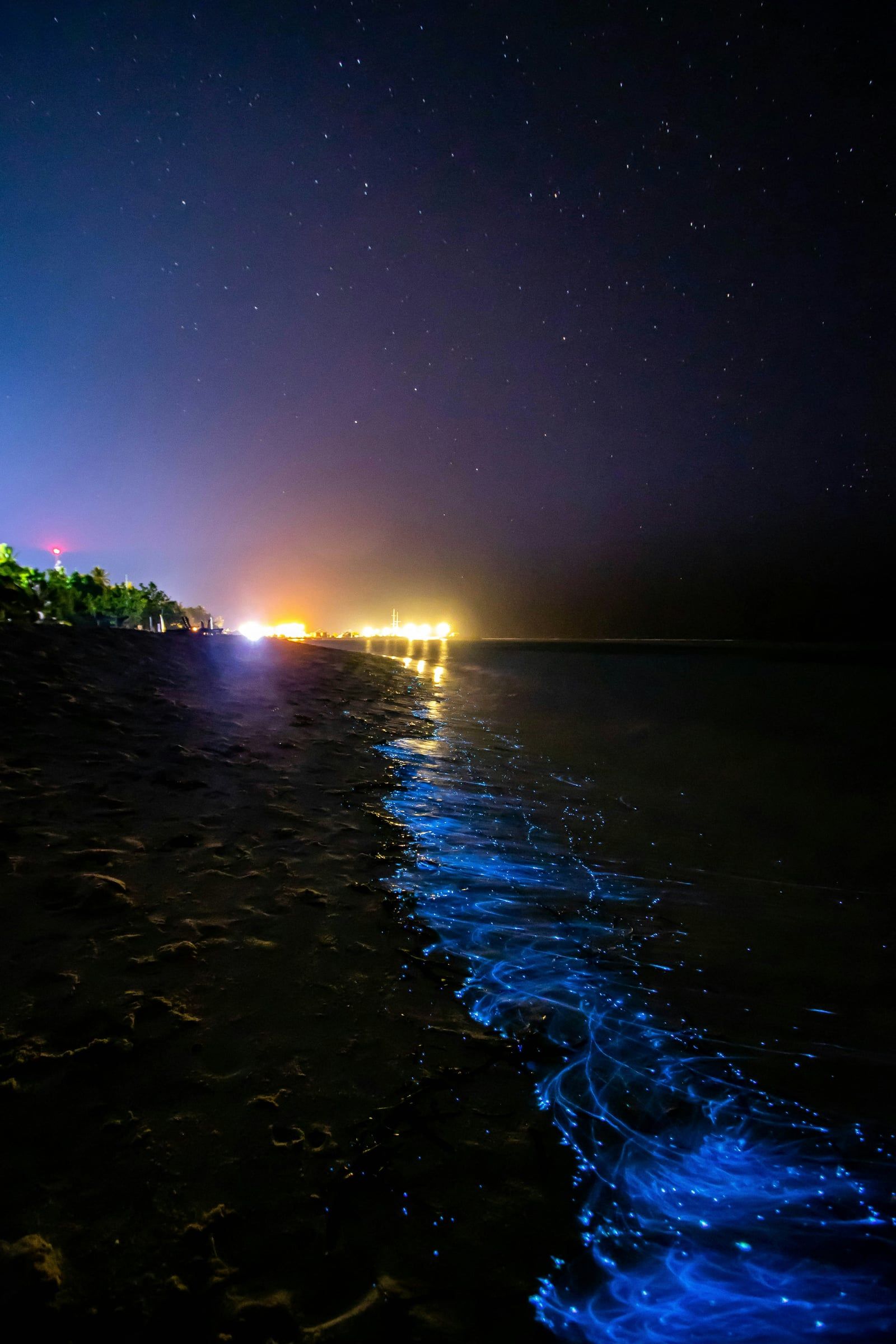
Bioluminescent bays hold a prominent place in Puerto Rican folklore and modern ecological identity. Indigenous Taíno communities observed the glowing waters long before European colonization, integrating the natural phenomenon into their understanding of the coastal landscape. Spanish colonizers initially feared the bioluminescence, believing the blue-green light was the work of the devil. They attempted to block the ocean channels with large rocks to cut off the bay from the sea. This effort inadvertently made the geographical bottleneck tighter, trapping more dinoflagellates and making the glow even brighter.
Today, Puerto Mosquito drives the local economy of Vieques. The town of Esperanza relies heavily on the nightly influx of tourists seeking the glowing waters. Generations of Vieques residents have worked on these waters, transitioning from traditional fishing to eco-tourism. This shift provides sustainable income while incentivizing the local community to fiercely protect the mangrove forests from destruction. Local guides pass down knowledge of the constellations and nocturnal wildlife during the dark kayak tours, blending astronomy with marine biology. Marine biologists use the bays as living laboratories to study the effects of climate change, storm frequency, and light pollution on fragile coastal ecosystems. The successful recovery of the bay after Hurricane Maria became a symbol of environmental resilience for the island.
The visual impact of the glowing water challenges modern technology and forces visitors to remain present. Standard smartphone cameras fail to capture the phenomenon due to the extreme low-light conditions. Professional photographers require high-ISO cameras, manual settings, long exposures, and completely still platforms to document the blue-green trails. Flash photography is strictly prohibited because bright lights ruin the darkness required for human eyes to adjust and see the bioluminescence. Guides will not take photos during the tour.
This technological limitation changes the nature of the tourist experience. Instead of viewing the bay through a screen, visitors must physically interact with the water to witness the glow. Every splash and movement of the hand creates a sparkling trail of bright blue light beneath the vessel. Leave your phone in a dry bag and focus on the physical experience of paddling through the illuminated water. Call your tour operator a day before to confirm current visibility conditions, as recent weather and tides dictate the brightness of the glow.
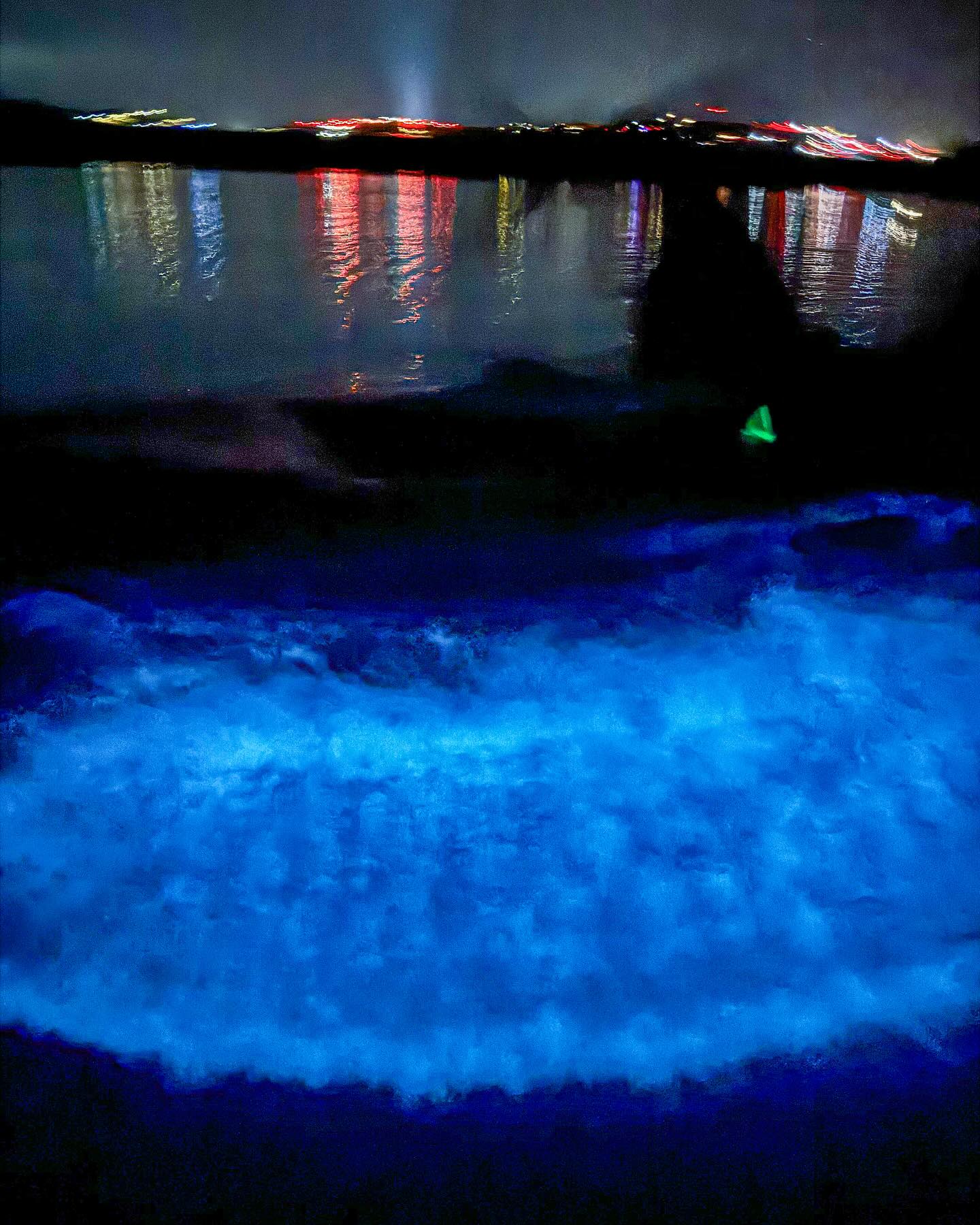
Chemical insect repellents kill the dinoflagellates instantly, forcing visitors to use natural alternatives.
Standard cameras cannot capture the low-light glow required to photograph the bioluminescence.
Mosquito Bay prohibits swimming to prevent human skin products from contaminating the water.
Full moons wash out the bioluminescence, making new moons the only reliable time to visit.
Many tours use transparent boats so visitors can watch the glow directly beneath the hull.
Decomposing red mangrove leaves release vitamin B12, which the microscopic organisms eat.
Only electric pontoon boats and human-powered kayaks can enter the protected waters.
Swimming is strictly prohibited in Mosquito Bay and Laguna Grande to protect the delicate dinoflagellates from human contamination. La Parguera in the southwest is the only bay where swimming is allowed under controlled conditions.
Guided tours typically range from $45 to $76 per person depending on the operator and location. The Fajardo Bio Bay kayak tour starts at $70 per person plus taxes and fees.
Single-celled microorganisms called dinoflagellates, specifically Pyrodinium bahamense, cause the glow. These microscopic organisms produce a brief blue-green chemical light reaction whenever they are mechanically disturbed.
The best time to visit is during the new moon phase when the night sky is darkest. Avoid visiting during a full moon, as bright moonlight significantly reduces the visibility of the glowing water.
Mosquito Bay in Vieques holds the Guinness World Record for the brightest bio bay. It is roughly six times brighter than the bioluminescent bay in Fajardo.
Age limits vary by operator and location. The Fajardo kayak tour requires children to be at least 6 years old, while some Vieques tours allow children starting at 4 years old.
Standard phone cameras struggle in low-light conditions and cannot capture the glow. You need a high-end camera with manual settings, a high ISO, and a completely still platform to get a clear photo.
The bays in Puerto Rico glow continuously throughout the year. Their overall brightness fluctuates based on weather, tides, and recent storm activity.
You cannot access Mosquito Bay or Laguna Grande without a licensed tour guide. Only operators with official DRNA permits can run tours in these protected reserves between 6:00 PM and midnight.
Wear quick-drying clothing and water shoes with a good grip. Bring long sleeves to prevent mosquito bites, as chemical insect repellents containing DEET are banned.
Browse verified tours with free cancellation and instant confirmation.
Find Tours