About All Tours Mosquito Bay ToursVieques ToursLaguna Grande ToursFajardo ToursLa Parguera ToursKayak ToursFrom San Juan Tours Directions Hours & Fees
Find Tours 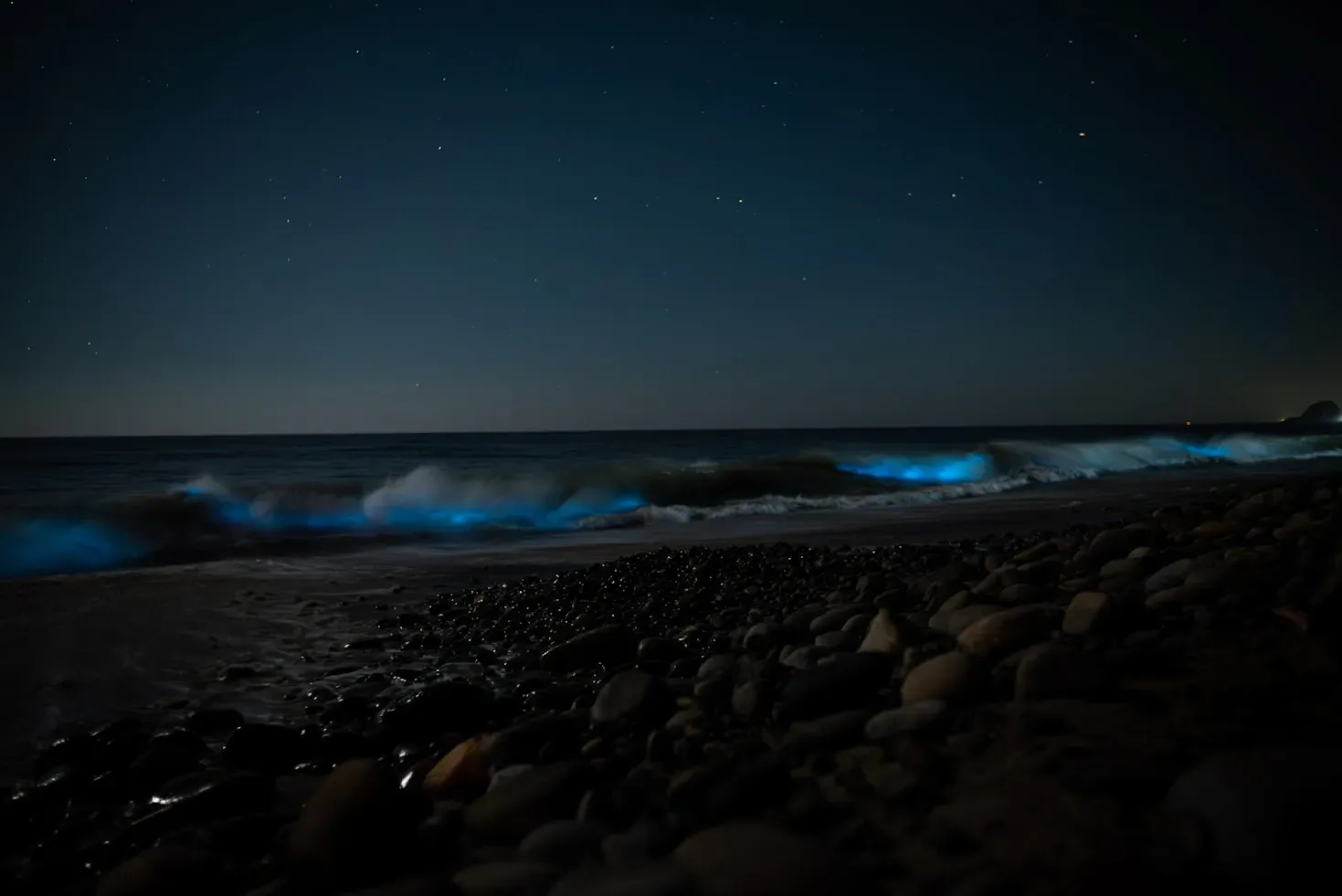
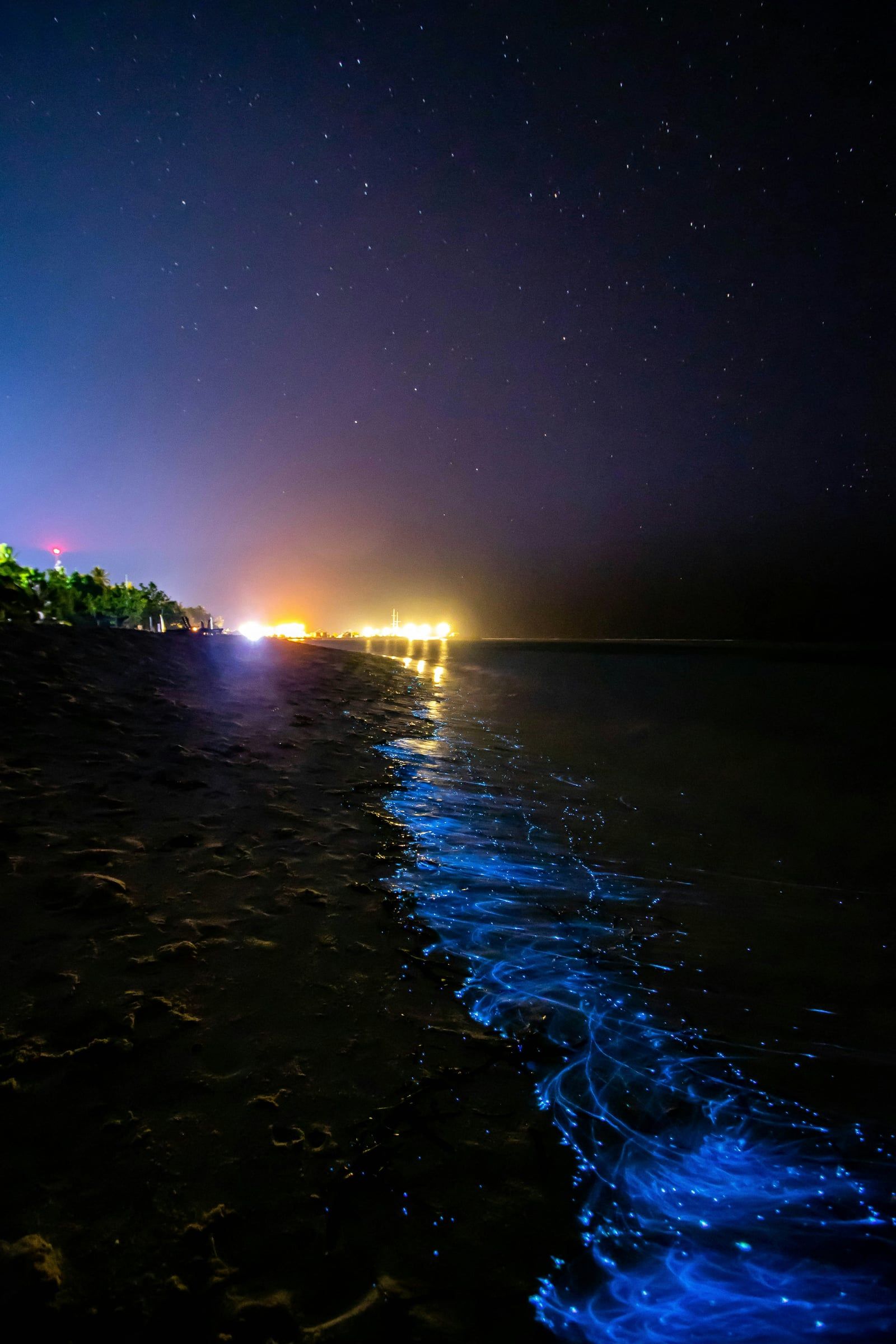
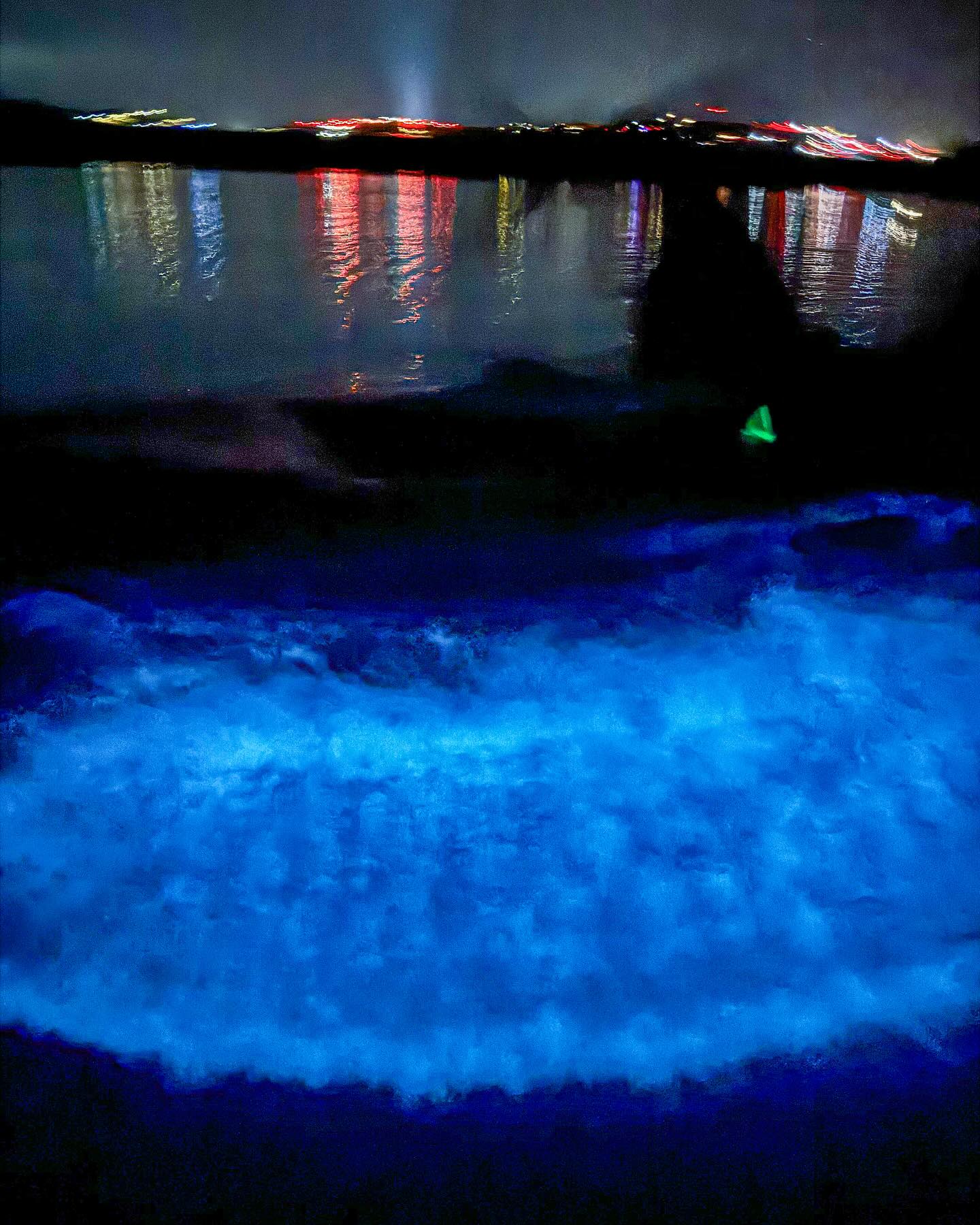
In 2008, Guinness World Records officially declared this protected Vieques inlet the brightest bioluminescent bay on Earth. Paddlers navigate dark mangrove channels to watch shallow waters emit a brilliant blue-green glow, fueled by up to 750,000 microscopic dinoflagellates per gallon.
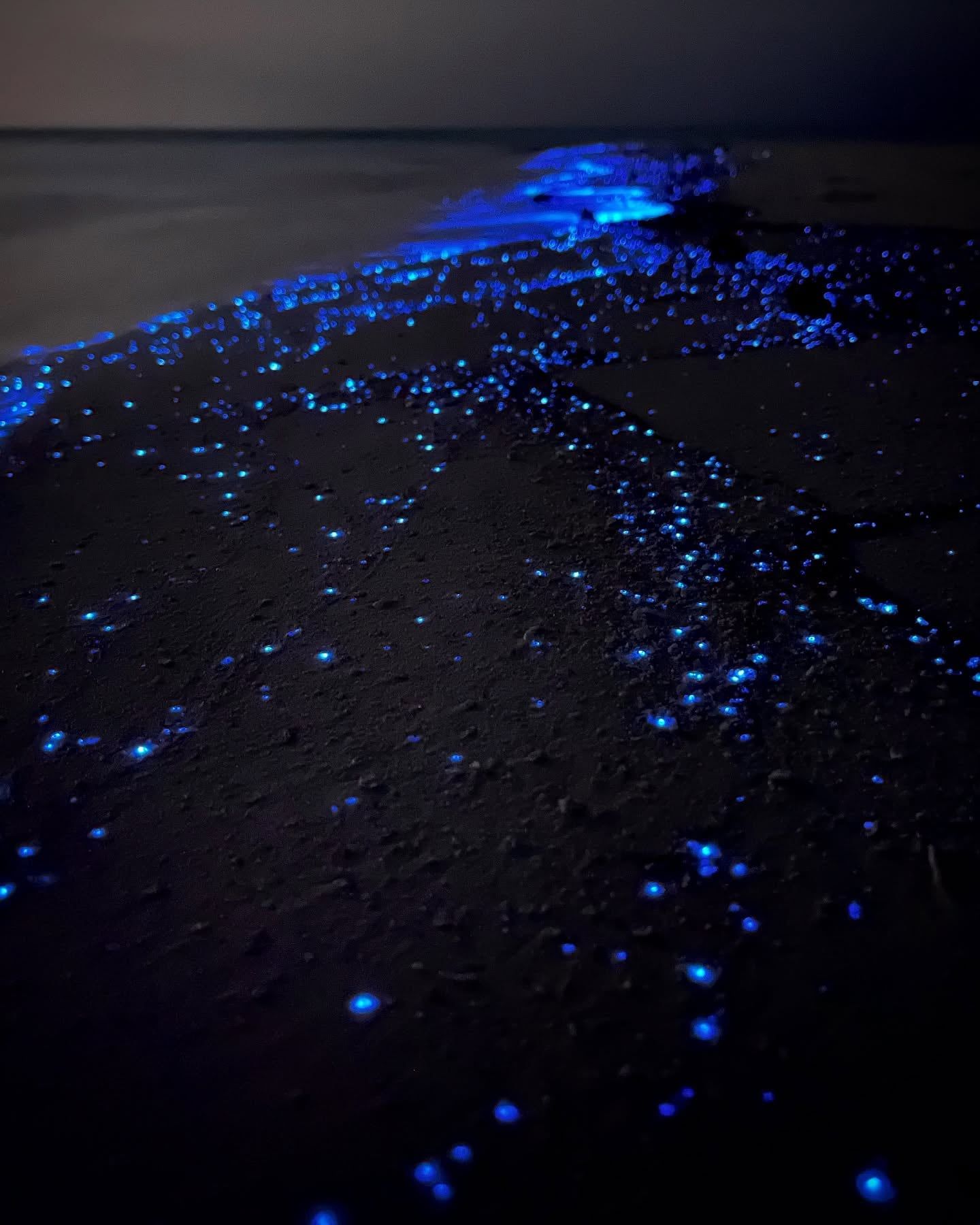
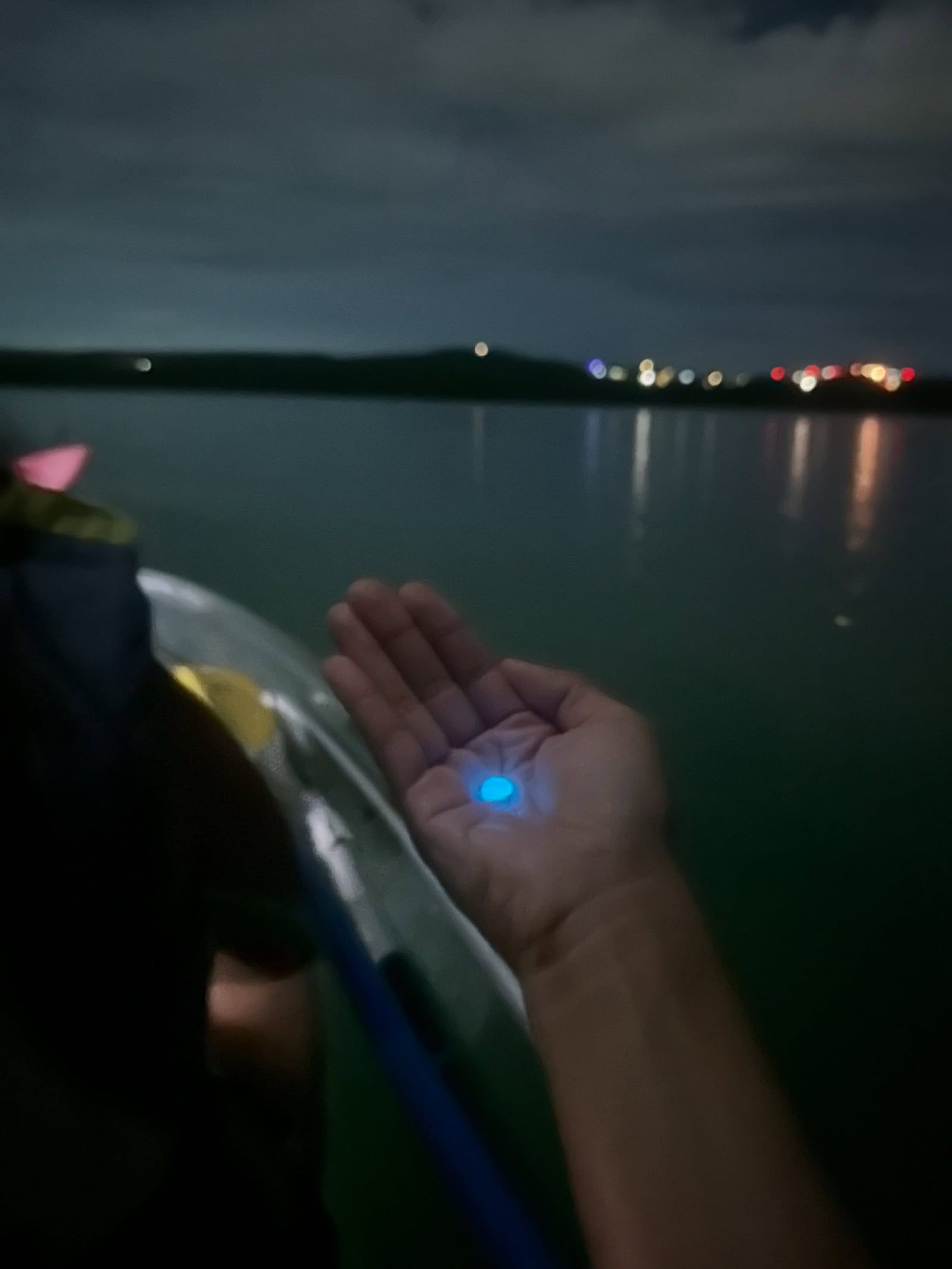
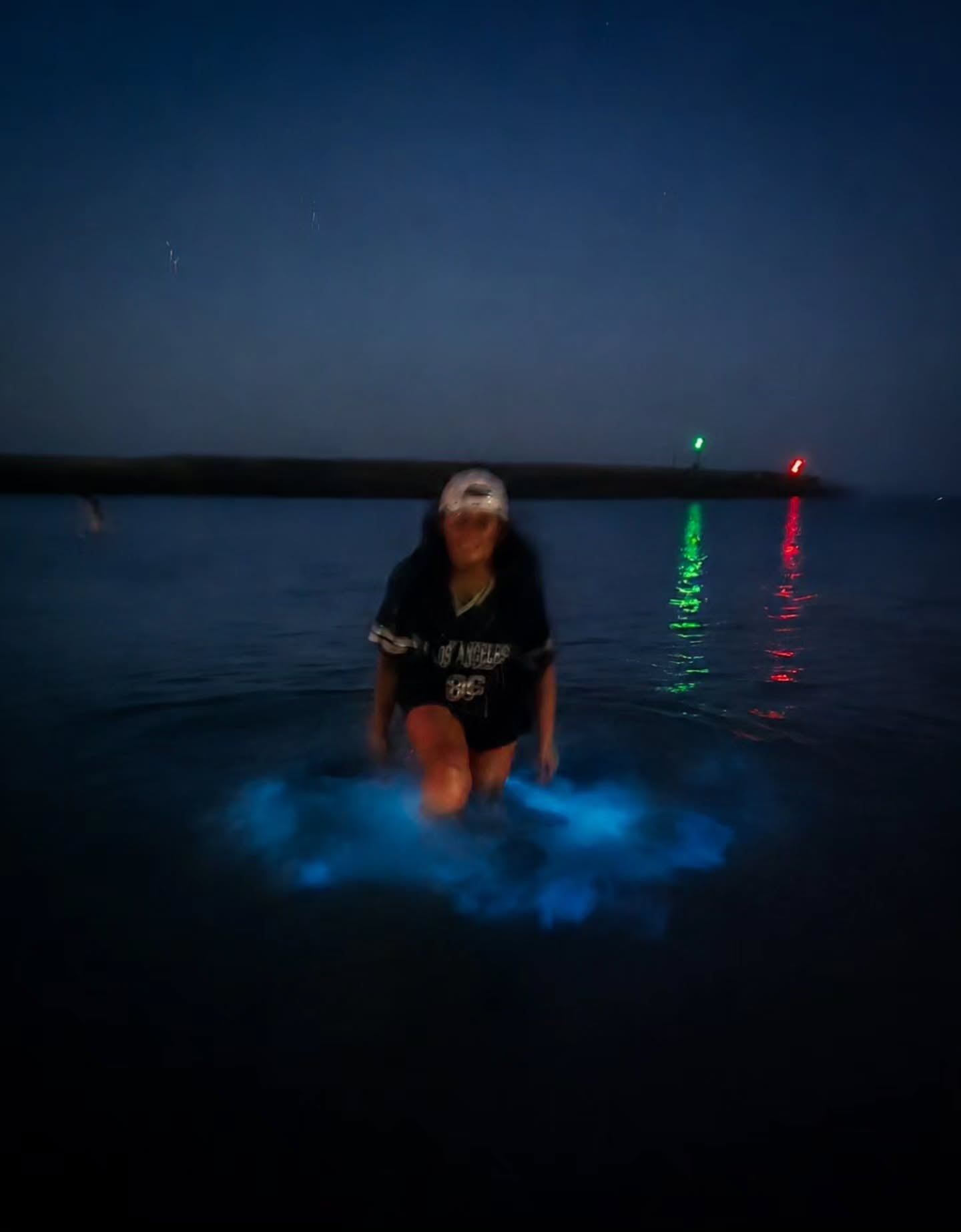
Find Guided ToursPuerto Mosquito Bioluminescent Bay is located on the southern shore of Vieques, Puerto Rico. It is one of only five bioluminescent bays in the world, three of which are found in Puerto Rico. The glowing waters are the result of single-celled microorganisms called dinoflagellates, specifically the species Pyrodinium bahamense, that produce a brief blue-green chemical light reaction whenever they are mechanically disturbed.
The density of these organisms reaches up to 750,000 dinoflagellates per gallon of water. This extreme concentration led the Guinness Book of World Records to officially declare Puerto Mosquito the brightest bioluminescent bay on the planet in 2008. It shines roughly six times brighter than the bioluminescent bay in Fajardo.
The bay's physical geography creates the exact conditions required for this phenomenon. A very narrow opening to the open sea acts as a natural trap, preventing the microscopic organisms from escaping back into the ocean. The warm, shallow waters are surrounded by a dense forest of mangrove trees, which provide the essential nutrients needed to fuel the local food chain.
Local legend states the bay takes its name from the Mosquito, a ship owned by the pirate Roberto Cofresí. The ecological importance of the area was formally recognized in 1980 when it was designated a National Natural Landmark. Although the delicate ecosystem temporarily went dark following the impact of Hurricane Maria in 2017, the bay has fully recovered and continues to glow brightly year-round.
Discover the full history and cultural significance on our About page.
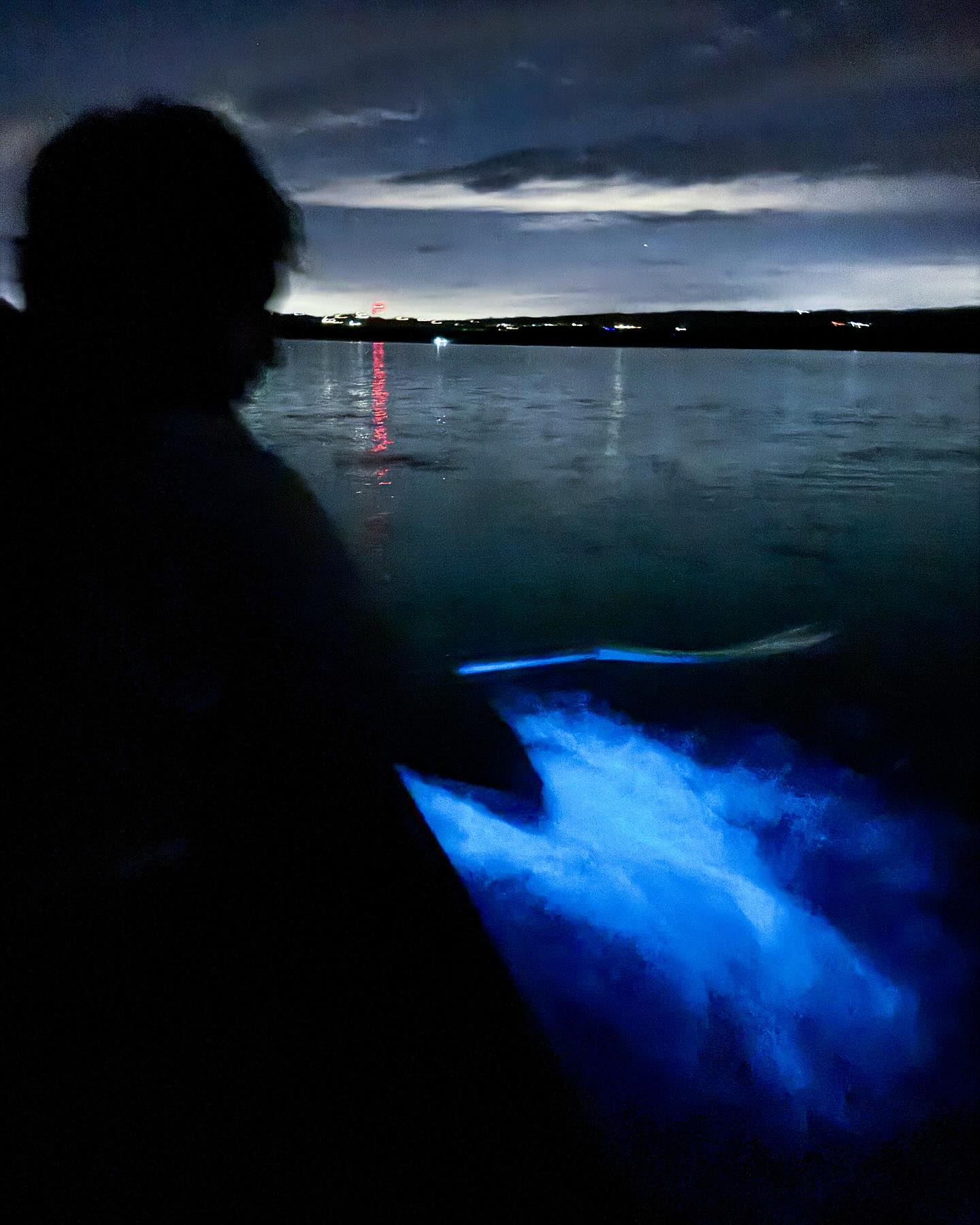
On the Fajardo kayak tour, guides lead paddlers quietly around Bird Island. You can listen to local nocturnal wildlife and watch roosting birds in the dark. Every stroke of the paddle through the narrow mangrove forest channel stirs up a bright blue-green glow in the shallow waters.
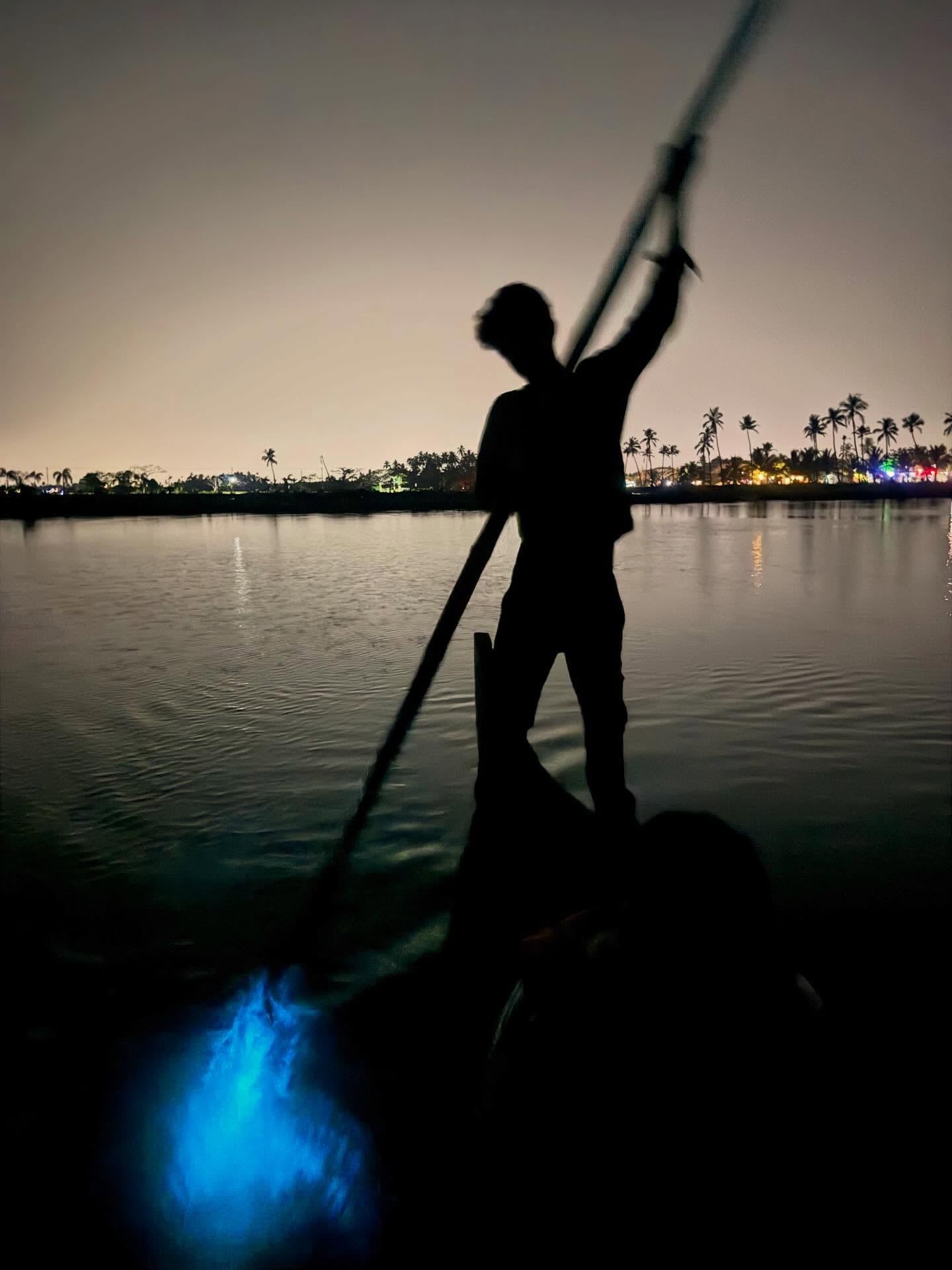
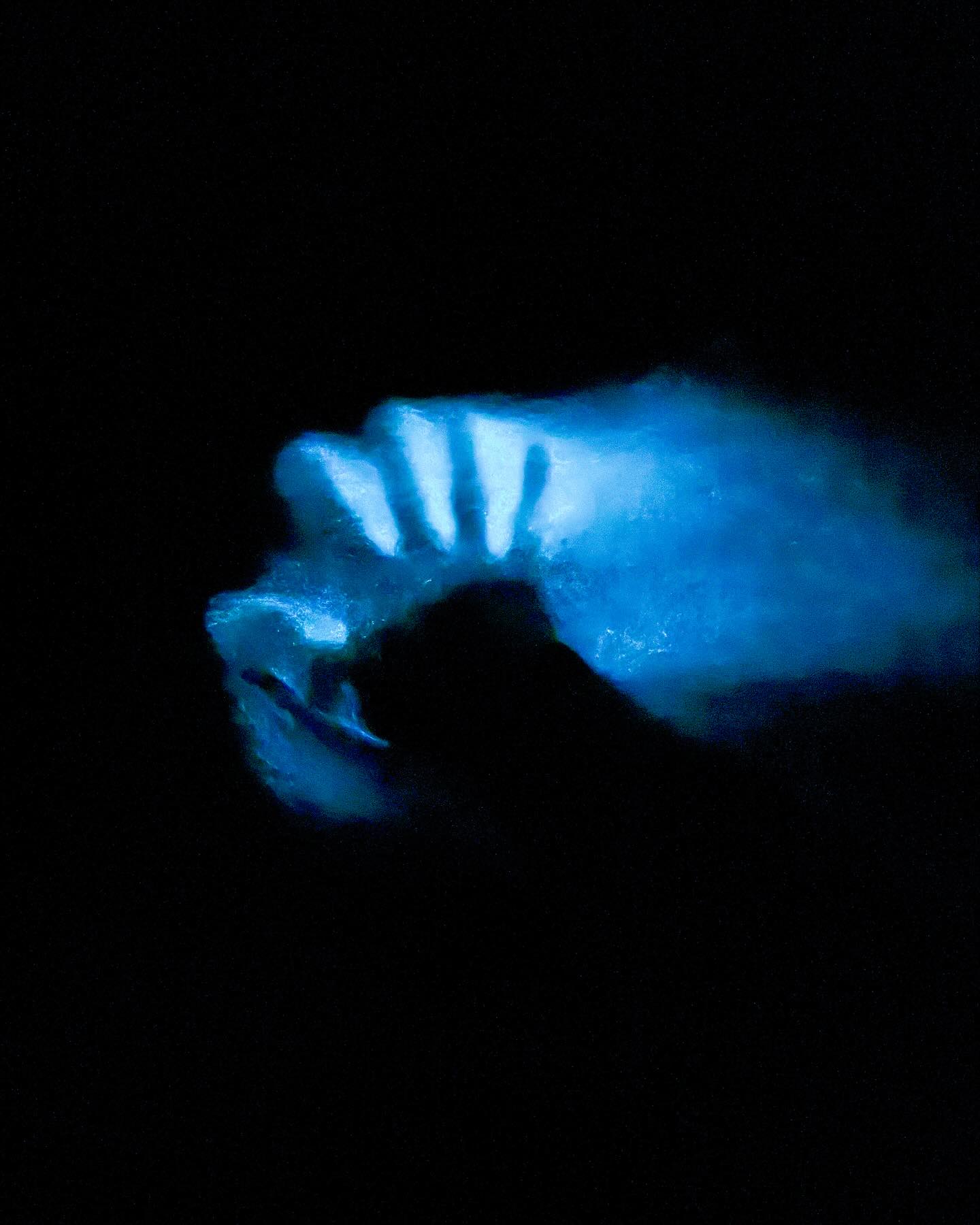
Visitors glide across the calm, warm waters of Vieques in clear-bottom kayaks. The sheltered ecosystem holds up to 750,000 dinoflagellates per gallon of water. Moving your hand or splashing creates a sparkling trail of bright blue light directly beneath the vessel during the 1.5 to 2-hour tour.
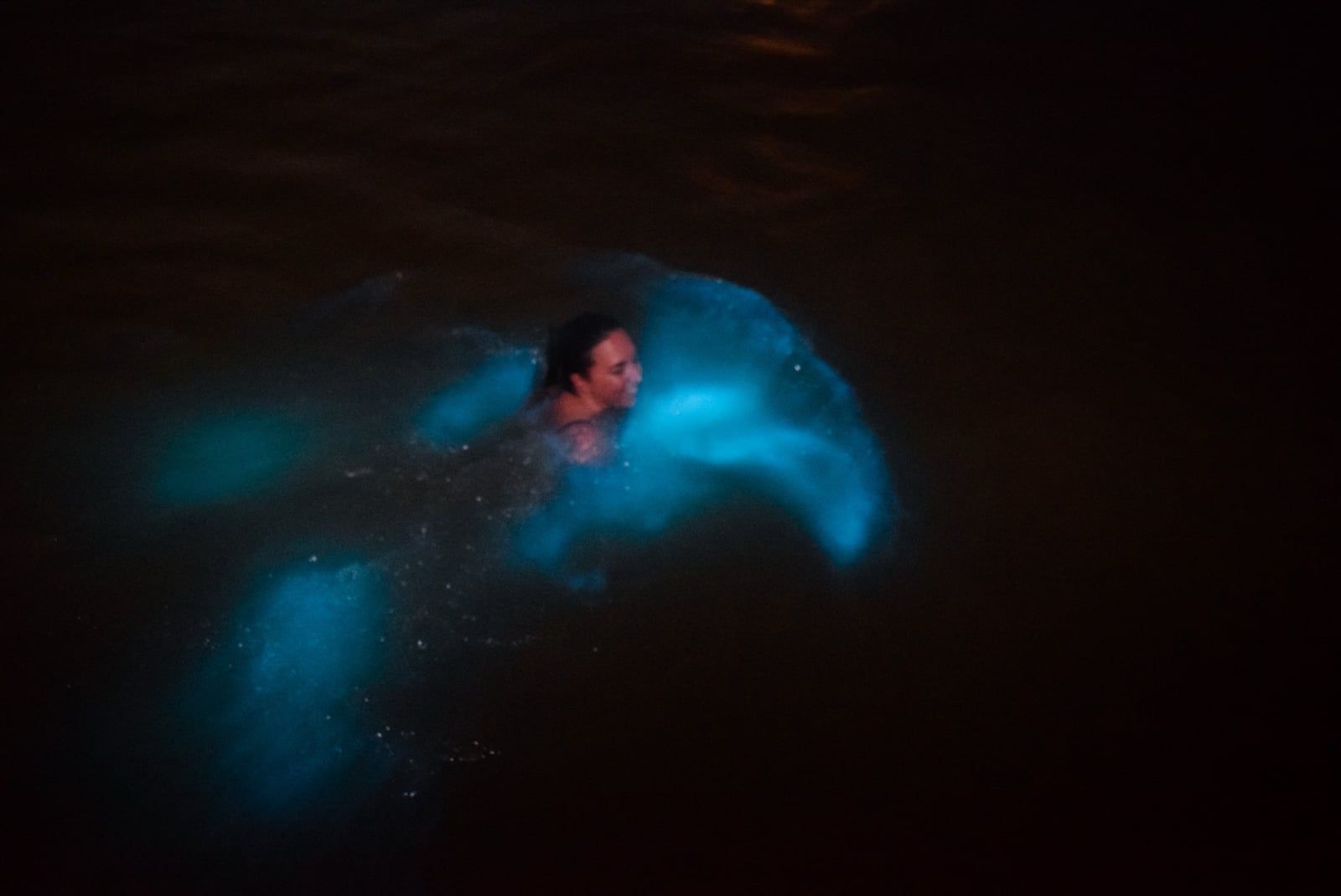
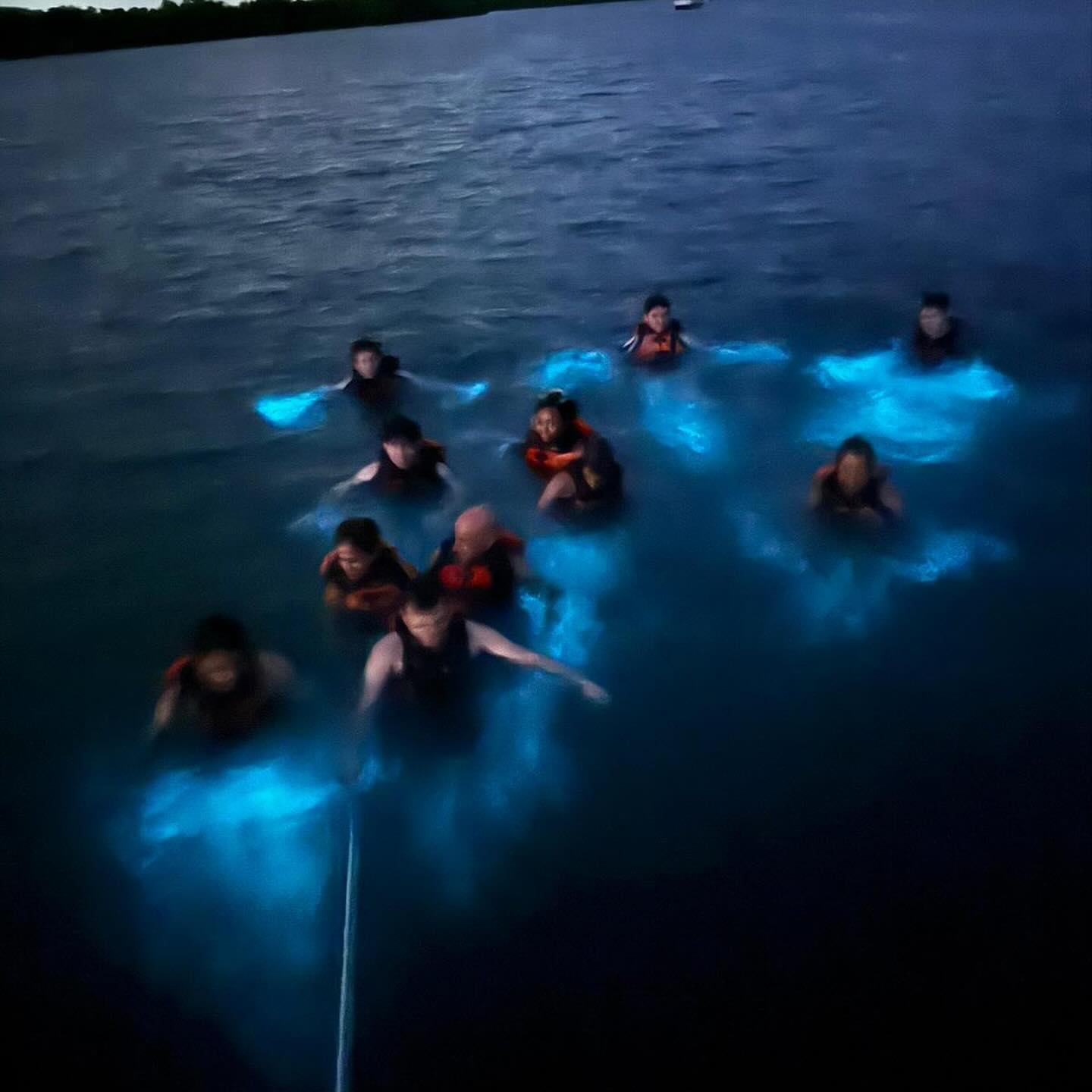
La Parguera is the only bioluminescent bay out of the three in Puerto Rico where swimming is permitted under optimal conditions. Swimmers can jump directly into the dark water. As you move, your entire body becomes outlined in a glowing blue-green light.
Travelers seeking a relaxed pace can board an electrically powered pontoon boat at Mosquito Bay, which is six times brighter than Fajardo. Guides navigate to open areas with minimal light pollution. Guests can watch greenish-blue trails form in the wake against the reflection of brilliant constellations.
Hand-picked tours with free cancellation and verified reviews
 Free Cancellation 2h
  Free Cancellation 1h 30min
  Free Cancellation 5h 30min
  Free Cancellation 2h 45min
  Free Cancellation 8h
  Free Cancellation 1h 30min
  Free Cancellation 40min
  Free Cancellation 1h 30min
 The optimal time to visit Puerto Rico's bioluminescent bays is between June and October, when warm temperatures maximize dinoflagellate reproduction. Regardless of the season, visitors must plan their trip around a new moon to ensure the darkest skies for maximum visibility.
Puerto Rico's bays glow year-round, providing reliable visibility during spring. Because this period falls outside the peak reproduction window, booking your tour during a new moon is absolutely essential.
June and July offer excellent viewing conditions. Warm summer temperatures facilitate optimal reproduction of up to 750,000 dinoflagellates per gallon, creating a highly visible blue-green light in the shallow waters.
August and September fall within the optimal viewing window, as warm temperatures fuel dinoflagellate reproduction. Monitor weather closely, as major hurricanes can disrupt the delicate balance and darken the bay.
October provides excellent viewing conditions before the peak tourist season begins. While the bays glow year-round, winter tours have strictly limited capacities and require booking weeks in advance.
Mosquito Bay is accessible to permitted tour companies daily between 6:00 PM and midnight. Fajardo Bio Bay tours operate Monday through Saturday with seasonal check-in times. Winter tours (October to January) begin at 5:45 PM and 8:00 PM. Spring (February to April) and Fall (August to September) check-ins are at 6:15 PM and 8:30 PM. Summer runs (May to July) start at 6:30 PM and 8:45 PM.
| Category | Price |
|---|---|
| General Guided Tour (Per Person) | $45 - $76 |
| Vieques Tour (Per Person) | $65 - $75 |
| Fajardo Bio Bay Kayak Tour (Per Person) | $70+ |
There is no free public entry to Mosquito Bay or Laguna Grande. Access is strictly limited to licensed eco-tour operators holding official Department of Natural Resources (DRNA) permits, and reservations should be booked weeks in advance.
For complete schedules and ticket prices, visit our Hours & Fees page.
To reach Mosquito Bay, visitors must take a ferry from Ceiba to the island of Vieques and proceed to the town of Esperanza. Travelers heading to the Laguna Grande bio bay can drive or take a rideshare from San Juan to Fajardo.
📍 Southern shore of Vieques, Puerto Rico
Visitors traveling to Mosquito Bay must take a ferry from the mainland town of Ceiba to the island of Vieques. Upon arrival, you need to hire a taxi or drive to the town of Esperanza. Most licensed tours depart directly from the Esperanza town pier. If returning on the same night, book a 7:00 PM weekday tour to catch the final 9:30 PM ferry.
To reach the bioluminescent waters of Laguna Grande, drive northeast from San Juan to the Kayak Village at Las Croabas Park in Fajardo. Travelers without a rental car can utilize a taxi or Uber for this specific route. You must arrange a round-trip booking in advance before leaving San Juan. On-the-spot rides are completely unavailable after the nighttime tours conclude.
For detailed transport options and routes, visit our Directions page.
The brightness of the bioluminescence heavily depends on the darkness of the sky. Always consult a lunar calendar and schedule your trip during a new moon phase. Avoid visiting during a full moon, as the bright moonlight significantly reduces the visibility of the glowing blue-green water.
The shoreline areas are heavily infested with mosquitoes, but chemical insect repellents containing DEET are strictly prohibited. These chemicals, along with standard sunscreens and lotions, kill the delicate dinoflagellates. Protect yourself from painful bites by wearing long-sleeved quick-dry shirts and applying natural, DEET-free alternatives instead.
If you plan to return to the main island from Vieques on the same night, you must book the 7:00 PM tour from Monday to Friday. This specific time slot allows just enough time to catch the final 9:30 PM ferry back to Ceiba. The ferry costs between $2 and $4.
Kayaking in complete darkness through mangrove channels requires physical effort and carries a risk of capsizing. Less active travelers and elderly visitors should opt for the electric pontoon boats at Mosquito Bay. Wheelchair users can also book specialized accessible tours departing from the Las Croabas launch site in Fajardo.
Tours typically last 1.5 to 2 hours on the water, and you should expect to get wet during the excursion. Wear moisture-wicking, quick-drying clothing and sturdy water shoes with a good grip. You should also pack a complete change of dry clothes to leave in your vehicle for afterward.
Capturing the glowing water with a standard smartphone camera is extremely difficult due to low-light conditions. Guides will not take photos during the tour, and flash photography is strictly prohibited because bright lights ruin the darkness. To photograph the bay, you need a high-end camera with manual settings and a high ISO.
This site is the only tropical rainforest in the U.S. National Forest System. Visitors can hike the Angelito Trail, view La Coca Falls, and swim in the Las Damas natural pool.
Located near the bio bay launch site on Vieques, this beach features clear turquoise waters and a boardwalk. It provides an excellent spot for dining and watching Caribbean sunsets before night tours.
This uninhabited cay features white-sand beaches and clear blue waters suitable for snorkeling. Travelers can take a boat or catamaran from Fajardo to explore the surrounding marine life on a day trip.
Read what travelers share about their experience visiting Bioluminescent Bay — from practical tips to personal highlights.
Guided tours typically cost between $45 and $76 per person depending on the location and operator. Kayak tours in Fajardo start at $70 plus taxes and fees, while tours in Vieques range from $65 to $75. You cannot visit Mosquito Bay or Laguna Grande for free, as entry requires booking a licensed tour.
The best months to visit are June through October, as warm temperatures promote optimal reproduction of the dinoflagellates. It is crucial to schedule your tour during a new moon phase. The lack of moonlight creates the darkest skies, making the blue-green glow highly visible.
You need to take a ferry from Ceiba to Vieques island, which costs between $2 and $4. Once you arrive on the island, take a taxi or drive to the town of Esperanza. Most of the bay tours depart directly from the Esperanza town pier.
The drive from San Juan to the Kayak Village at Las Croabas Park in Fajardo takes 45 to 60 minutes. An Uber ride costs about $100 each way. If you rely on a taxi or rideshare, you must arrange a round-trip booking in advance because on-the-spot rides are unavailable after evening tours conclude.
Wear quick-drying clothing like long-sleeved beach shirts and water shoes with a good grip. Bring a complete change of dry clothes to leave in your vehicle for after the 1.5 to 2-hour water tour. Do not apply chemical insect repellents containing DEET or sunscreens, as these products are highly toxic to the dinoflagellates.
Yes, specialized operators like Puerto Rico Access Tours provide wheelchair-accessible options at the Laguna Grande Reserve. The launch site at Las Croabas in Fajardo features an accessible ramp and shallow water. Elderly or less active visitors can also book electric pontoon boats at Mosquito Bay instead of participating in kayak tours.
No, public entry is not permitted in highly protected reserves like Mosquito Bay and Laguna Grande. You must book your visit in advance with an eco-tour operator holding official Department of Natural Resources (DRNA) permits. These licensed companies operate tours strictly between 6:00 PM and midnight.
Swimming is strictly prohibited in Mosquito Bay and Laguna Grande by DRNA regulations to prevent water contamination from human skin products. La Parguera is the only bio bay in Puerto Rico where swimming is permitted under optimal conditions.
Browse verified tours with free cancellation and instant confirmation.
Find Tours